The last 2D animated feature produced in America was released around two years ago. It was Disney’s Winnie The Pooh, a faithful, but unnecessary nod to the studio’s past. Pooh didn’t achieve much at the box office, due to limited advertising and an inauspicious release date (shared with the final Harry Potter). After it flopped, work on 2D projects at the Mouse House began to slow. The Academy-Award winning short Paperman was produced, among other side projects, but another feature did not seem to be on the company’s mind. Disney finally put their cards in the table in March: the leading company for drawn feature animation was letting go of its “traditional” animators. Again.
There was a lot of speculation over what happened, and the decision stirred a big controversy among fans of animation. To me, the news definitely felt like a blow, but I also had to acknowledge that the claims surrounding the layoffs were exaggerated. Disney did not fire every person at the studio who draws. They held onto a small crew of 2D animators, and elected to keep their training program open. This was a way of leaving an option for the long-term future, so it isn’t fair to say that Disney has decided to be done with hand-drawn animation for eternity. It is fair to say, however, that they’ve decided to be done for now.
That choice seems perplexing, and it certainly raises a lot of questions. Disney is the company that built the animated medium up from the ground. Why would they choose to limit themselves to one method of producing films, when they can competently do several? Why do they regard 2D as a risky venture, when the films they’ve produced that way have been their highest earners? Why didn’t they promote Winnie The Pooh, and if they didn’t believe it would be successful, why did the studio approve it? What, if anything, did John Lasseter do to prevent the artists he rehired from being tipped out the door again? Will animators such as Glen Keane have an opportunity to convey their expertise to another generation? These are all questions that won’t be answered immediately; only time will allow for a clear perspective on this development. In the meantime, meaning the here and now, Disney is focusing on making what the other companies are making: 3D blockbusters.
Passion tends to run high when people get into the 2D vs. 3D debate. I am not seeking to write about that issue; rather, I am here to emphasize that 2D has a future outside of that drama. We simply have to look away from the American feature studios, and distance ourselves from the idea that 2D and 3D films are at odds.
Right now the big studios have an active interest in creating hip, new stuff (because it makes a lot of money!). The problem here is that people forget that cartoons produced in 2D are also hip and interesting! 2D animation is not an old, outdated way of doing things. The process has changed with the times, and by this point 2D production is no less technological than 3D’s. Considering this, the word “traditional” begins to feel inappropriate. Practically nothing done in Hollywood today could be considered traditional, least of all animation, a form that has been on the cutting edge since its beginning. Still, the term and its connotation have made the large studios nervous about working with 2D.
Katzenberg’s trust fund (aka Dreamworks) gave up hand-drawn pictures ages ago. Warner Bros. made a few attempts at regaining their old glory with some Looney Tunes movies, but those did not make much of an impact. Blue Sky and Pixar have never produced 2D films, so it’s highly unlikely that either of them will start. Fox’s animation division, at best, can be depended upon for another chipmunk sequel. Others, like Don Bluth, seem not to be producing anything at all. No doubt, this inactivity in theaters is troubling to the generations who grew up with hand-drawn films.
So where should we turn when we want some frantic cartoon action presented in an even number of dimensions? There are many places we can look.
One of them is TV. Over the last few years the quality of animated programming has improved noticeably. Cartoon Network filled up with original programs like Adventure Time and Regular Show, both of which convey a classic, cartoonish sense of wonder and frivolity. Later this year we’ll see a new show called Steven Universe, which—if the pilot is any indication—promises to be entertaining. In the meantime there are AT and RS to enjoy, as well as reworked versions of classics, like Mystery Inc. and The Looney Tunes Show. There’s also the ever-thriving Adult Swim, which recently launched a new season of Venture Bros, and Toonami, which was rebooted with a strong set of (mostly the same) shows. Cartoons aren’t quite as widespread on TV as they were at one time, but at the moment CN at least is doing well, and it’s a fine resource for 2D fun.
Another great way to see modern 2D animation is to look outside of America. This may seem a little obvious, but nonetheless it remains true that the rest of the world is still producing great stuff in the 2D style. Notable films from the past few years (all of which have been shown stateside) include The Illusionist, Chico and Rita, Summer Wars, A Cat in Paris, The Secret World of Arrietty, and From Up on Poppy Hill. Miyazaki and Takahata both have films due out this year, and they may not even be the last we’ll see from the two masters. Beside them in Japan, new crews of dexterous artists are popping up (see studios Khara and Trigger), and we can expect to see the volume of 2D works continue at its present rate (as for the average quality of a modern anime, we’ll discuss that another time). 2D features may not be so common in the US, but when times get tough I’ll always be content to look elsewhere in the world for examples of excellent works.
The most tedious (but perhaps the most accurate) way of appreciating today’s 2D animation involves seeking out independent filmmakers and aspiring artists. Student film festivals and indie screenings are the most romantic ways of finding art such as this, but thanks to the internet it can be easy to find a short 2D film. News sites, blogs, advertisements for Kickstarters, all showcase short films in some way. The only difficult part is finding one that you like! Independent and student films often lack the unity and collaborative energy that permeates large productions, and at times they can seem frustratingly simple. But the good films will eclipse whatever lesser products you subject yourself to. Anything that can make a clear statement that is emotive and direct will stick with you. If you are committed to staying in the loop about 2D animation, it can be rewarding to go blog-hopping and watch a bunch of low-budget shorts made by young people. A good number of them will surprise.
So, there are many ways in which one can get their toon fix without having to make contact with the Hollywood majors. Personally I believe it’s worth making contact with them anyway, because 3D films are also worthy of great recognition and patronage. However, to me 2D is an essential part of the package. It is something that can’t be lost or underappreciated.
Unfortunately, nobody can reasonably expect a revival of Disney’s peak art at the moment. But it was the studio’s decision to fall off the horse, and 2D animation will continue, with or without its architects. If Disney’s out for now, somebody else will step up, and works from outside the Hollywood sphere will continue to dazzle. 3D innovations may be fun and interesting, but there is plenty going on in the animated world that doesn’t involve them, and the fact that we all looked to Disney as the exemplar in the past doesn’t create a need for us to do so today.
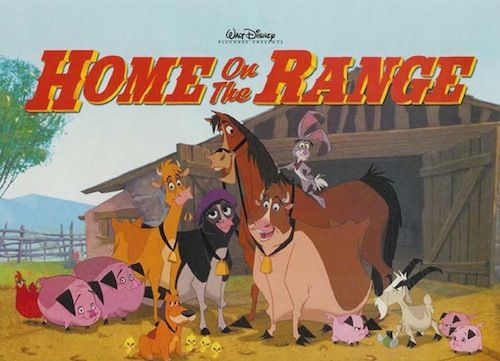
Lest we forget what prompted them the first time...
There was a lot of speculation over what happened, and the decision stirred a big controversy among fans of animation. To me, the news definitely felt like a blow, but I also had to acknowledge that the claims surrounding the layoffs were exaggerated. Disney did not fire every person at the studio who draws. They held onto a small crew of 2D animators, and elected to keep their training program open. This was a way of leaving an option for the long-term future, so it isn’t fair to say that Disney has decided to be done with hand-drawn animation for eternity. It is fair to say, however, that they’ve decided to be done for now.
That choice seems perplexing, and it certainly raises a lot of questions. Disney is the company that built the animated medium up from the ground. Why would they choose to limit themselves to one method of producing films, when they can competently do several? Why do they regard 2D as a risky venture, when the films they’ve produced that way have been their highest earners? Why didn’t they promote Winnie The Pooh, and if they didn’t believe it would be successful, why did the studio approve it? What, if anything, did John Lasseter do to prevent the artists he rehired from being tipped out the door again? Will animators such as Glen Keane have an opportunity to convey their expertise to another generation? These are all questions that won’t be answered immediately; only time will allow for a clear perspective on this development. In the meantime, meaning the here and now, Disney is focusing on making what the other companies are making: 3D blockbusters.
Passion tends to run high when people get into the 2D vs. 3D debate. I am not seeking to write about that issue; rather, I am here to emphasize that 2D has a future outside of that drama. We simply have to look away from the American feature studios, and distance ourselves from the idea that 2D and 3D films are at odds.
Right now the big studios have an active interest in creating hip, new stuff (because it makes a lot of money!). The problem here is that people forget that cartoons produced in 2D are also hip and interesting! 2D animation is not an old, outdated way of doing things. The process has changed with the times, and by this point 2D production is no less technological than 3D’s. Considering this, the word “traditional” begins to feel inappropriate. Practically nothing done in Hollywood today could be considered traditional, least of all animation, a form that has been on the cutting edge since its beginning. Still, the term and its connotation have made the large studios nervous about working with 2D.
Katzenberg’s trust fund (aka Dreamworks) gave up hand-drawn pictures ages ago. Warner Bros. made a few attempts at regaining their old glory with some Looney Tunes movies, but those did not make much of an impact. Blue Sky and Pixar have never produced 2D films, so it’s highly unlikely that either of them will start. Fox’s animation division, at best, can be depended upon for another chipmunk sequel. Others, like Don Bluth, seem not to be producing anything at all. No doubt, this inactivity in theaters is troubling to the generations who grew up with hand-drawn films.
So where should we turn when we want some frantic cartoon action presented in an even number of dimensions? There are many places we can look.
One of them is TV. Over the last few years the quality of animated programming has improved noticeably. Cartoon Network filled up with original programs like Adventure Time and Regular Show, both of which convey a classic, cartoonish sense of wonder and frivolity. Later this year we’ll see a new show called Steven Universe, which—if the pilot is any indication—promises to be entertaining. In the meantime there are AT and RS to enjoy, as well as reworked versions of classics, like Mystery Inc. and The Looney Tunes Show. There’s also the ever-thriving Adult Swim, which recently launched a new season of Venture Bros, and Toonami, which was rebooted with a strong set of (mostly the same) shows. Cartoons aren’t quite as widespread on TV as they were at one time, but at the moment CN at least is doing well, and it’s a fine resource for 2D fun.
Another great way to see modern 2D animation is to look outside of America. This may seem a little obvious, but nonetheless it remains true that the rest of the world is still producing great stuff in the 2D style. Notable films from the past few years (all of which have been shown stateside) include The Illusionist, Chico and Rita, Summer Wars, A Cat in Paris, The Secret World of Arrietty, and From Up on Poppy Hill. Miyazaki and Takahata both have films due out this year, and they may not even be the last we’ll see from the two masters. Beside them in Japan, new crews of dexterous artists are popping up (see studios Khara and Trigger), and we can expect to see the volume of 2D works continue at its present rate (as for the average quality of a modern anime, we’ll discuss that another time). 2D features may not be so common in the US, but when times get tough I’ll always be content to look elsewhere in the world for examples of excellent works.
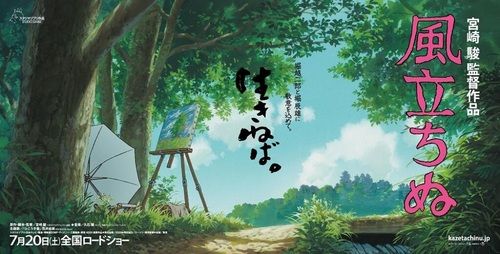
Miyazaki's next movie, The Wind Rises, is due out this month in Japan.
The most tedious (but perhaps the most accurate) way of appreciating today’s 2D animation involves seeking out independent filmmakers and aspiring artists. Student film festivals and indie screenings are the most romantic ways of finding art such as this, but thanks to the internet it can be easy to find a short 2D film. News sites, blogs, advertisements for Kickstarters, all showcase short films in some way. The only difficult part is finding one that you like! Independent and student films often lack the unity and collaborative energy that permeates large productions, and at times they can seem frustratingly simple. But the good films will eclipse whatever lesser products you subject yourself to. Anything that can make a clear statement that is emotive and direct will stick with you. If you are committed to staying in the loop about 2D animation, it can be rewarding to go blog-hopping and watch a bunch of low-budget shorts made by young people. A good number of them will surprise.
So, there are many ways in which one can get their toon fix without having to make contact with the Hollywood majors. Personally I believe it’s worth making contact with them anyway, because 3D films are also worthy of great recognition and patronage. However, to me 2D is an essential part of the package. It is something that can’t be lost or underappreciated.
Unfortunately, nobody can reasonably expect a revival of Disney’s peak art at the moment. But it was the studio’s decision to fall off the horse, and 2D animation will continue, with or without its architects. If Disney’s out for now, somebody else will step up, and works from outside the Hollywood sphere will continue to dazzle. 3D innovations may be fun and interesting, but there is plenty going on in the animated world that doesn’t involve them, and the fact that we all looked to Disney as the exemplar in the past doesn’t create a need for us to do so today.